1. The Importance of Brevity and Clarity
Hiring managers often spend only 6 to 10 seconds scanning each resume (Lemay, 2020). That’s right—just a few seconds to make an impression. If your resume isn’t clear and to the point, it could easily be dismissed before anyone even gets to your impressive experience.
In a one-page resume, clarity is essential. A well-organized, concise document will grab the reader's attention and make it easier for them to quickly assess your skills and accomplishments. Keep your resume focused on what really matters for the job you're applying for and avoid adding unnecessary details that can distract from your core message.
Why it matters: A concise resume not only saves the reader time but also communicates your ability to be clear and effective—traits that any employer values.
2. Balancing Relevance with Brevity
The key to a successful one-page resume is striking the right balance between relevance and brevity. If you’ve worked in the industry for years, it can be tempting to include every job you’ve held and every responsibility you’ve had. But here’s the thing—not all experience is created equal. It’s crucial to tailor your resume to the specific role you’re applying for.
For instance, if you’re applying for a senior-level management role, don’t waste valuable space listing the specifics of your first job out of college. Focus instead on the leadership, project management, and decision-making experiences that demonstrate your ability to excel at the next level.
Why it matters: Tailoring your resume for each job helps you connect directly with what the employer needs. It makes your resume more compelling and positions you as the perfect candidate for that particular role.
3. Highlighting Key Achievements, Not Just Job Titles
It’s not enough to simply list your job titles. What matters is what you accomplished in those roles. Instead of saying “Managed a team of 10,” you can demonstrate the impact you made, like:
- Before: "Managed a team of 10 employees."
- After: "Led a team of 10 employees to achieve a 25% increase in productivity over 6 months, saving $50K annually in operational costs."
This shift from a generic task list to specific, quantifiable outcomes makes your resume stand out. Use numbers, percentages, and concrete results to illustrate how you made a difference. This not only proves your effectiveness but also helps recruiters quickly see the value you bring.
Why it matters: Highlighting achievements with numbers and results grabs attention and helps employers understand the concrete value you’ll bring to their organization.
4. Using a Clean and Efficient Format
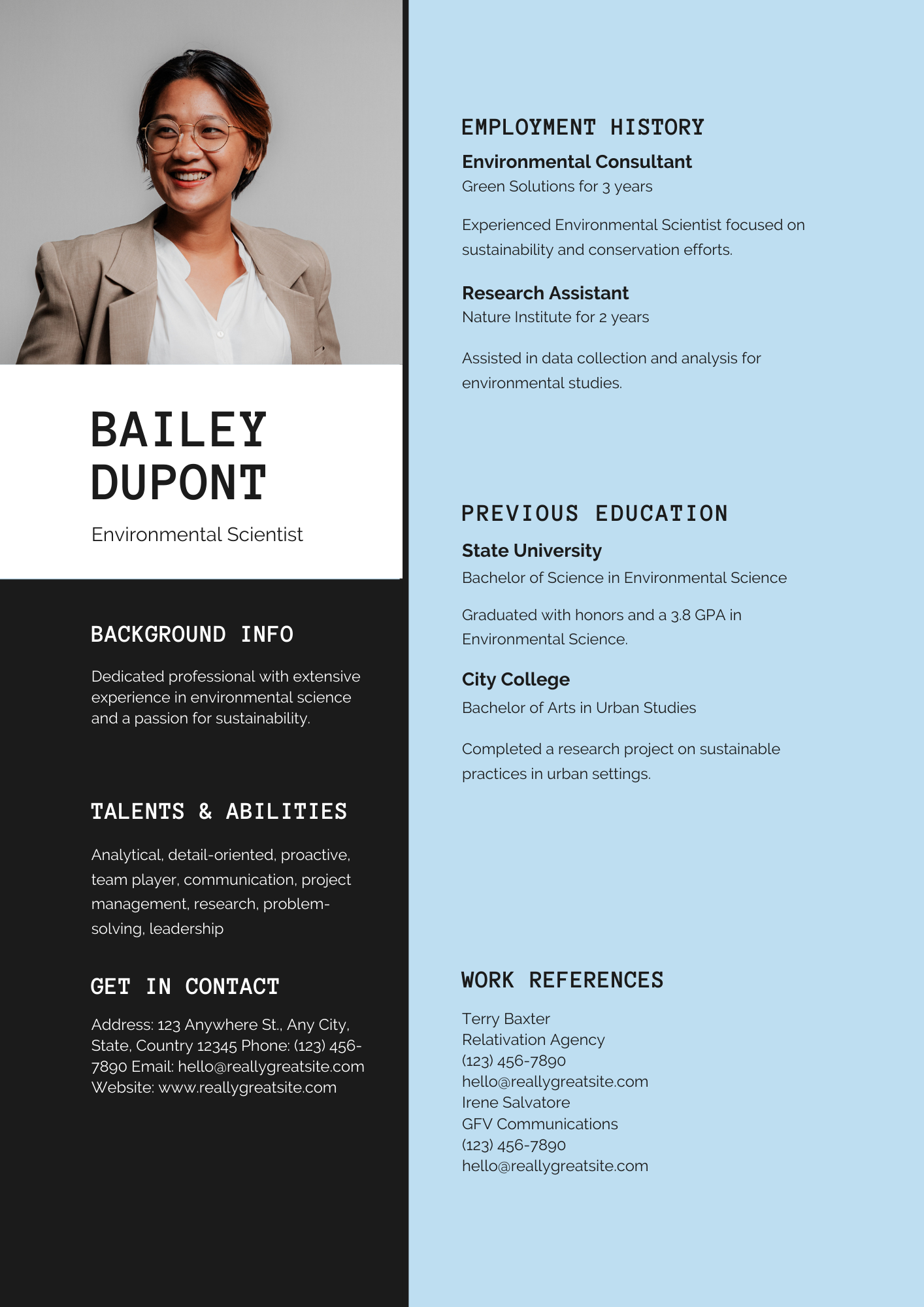
The layout of your resume plays a big role in how it’s perceived. A cluttered or disorganized resume can frustrate the reader and make it harder to pick out key information. Use a simple, clean design that helps guide the reader’s eye.
Here are a few layout tips:
- Header: Place your name, contact information, and LinkedIn profile (or website) at the top.
- Sections: Use distinct section titles like "Experience," "Skills," and "Education."
- Bullet points: Make use of bullet points to break down accomplishments, making it easier to skim.
Why it matters: A well-organized resume is not only easier to read but also projects professionalism. A simple design makes sure the focus stays on your qualifications, not your formatting.
5. Avoiding Redundancy
A seasoned professional might have many overlapping responsibilities across various roles. While it’s important to show the breadth of your experience, it’s also crucial to avoid repeating the same details multiple times. Redundancy can make your resume feel bloated and drag it into two pages when it doesn't need to be.
Solution: Group similar roles together or consolidate responsibilities under one bullet point. For example, rather than listing every project management task for each job, create a bullet point that covers your project management expertise across multiple positions.
Why it matters: Eliminating repetition saves space, helps you stay within the one-page limit, and makes your resume feel streamlined and purposeful.
6. Tailoring for the Job and Industry
Your resume should never be a one-size-fits-all document. Each job is different, and tailoring your resume for each specific role is key to standing out. Use the job description as a guide—identify the most important qualifications and skills, and then align your experience with those needs.
For example, if the job requires expertise in "data analysis," make sure your resume highlights your experience using data analytics tools, interpreting data, and making decisions based on data.
Why it matters: A tailored resume shows employers you’ve done your homework, and it boosts your chances of getting noticed by both Applicant Tracking Systems (ATS) and human recruiters.
7. Maximizing Space Without Overloading
A one-page resume should prioritize space. It’s easy to want to fill the page, but remember—less is often more. Prioritize the most important and relevant details, and use bullet points to break up the text. Keep descriptions brief but impactful, showcasing your most notable accomplishments.
Why it matters: By maximizing space effectively, you make your resume both easy to read and impactful, with each point leaving a strong impression without overwhelming the reader.
8. Demonstrating Your Personal Brand
In today’s job market, a resume is not just a list of past jobs; it’s an opportunity to communicate your personal brand. What makes you different from other candidates? Why should the employer care about your unique background and skills?
Consider including a brief professional summary at the top of your resume to showcase your career highlights and what you stand for. This can set you apart by giving employers a glimpse into your values, goals, and what drives you.
Why it matters: A personal brand can make you memorable. A strong professional summary gives employers a snapshot of who you are and how you align with their mission.
9. Addressing Career Transitions or Gaps
Career transitions or gaps don’t have to be a disadvantage. Instead of trying to hide them, frame them in a positive light. If you switched industries or had a gap in employment, use your resume to highlight the transferable skills you gained during that time. Did you pick up new skills during your break? Have you done volunteer work, freelance work, or upskilled with relevant certifications? Make sure these experiences are front and center.
Why it matters: Reframing transitions and gaps as learning experiences or opportunities for growth shows resilience and adaptability—qualities that are highly valued in any role.
10. Fitting In Keywords for Applicant Tracking Systems (ATS)
In today’s hiring world, many companies use ATS to filter resumes before they’re even seen by human eyes. If your resume isn’t optimized for these systems, it may not even make it to the recruiter. Incorporate relevant keywords and industry-specific terms into your resume, but do so naturally. If the job listing mentions “project management” or “data analysis,” for example, make sure those terms appear somewhere in your resume—assuming they reflect your actual experience.
Why it matters: Keyword optimization ensures your resume passes the ATS filter, increasing your chances of being reviewed by a human recruiter. It’s a simple step that can make a big difference.