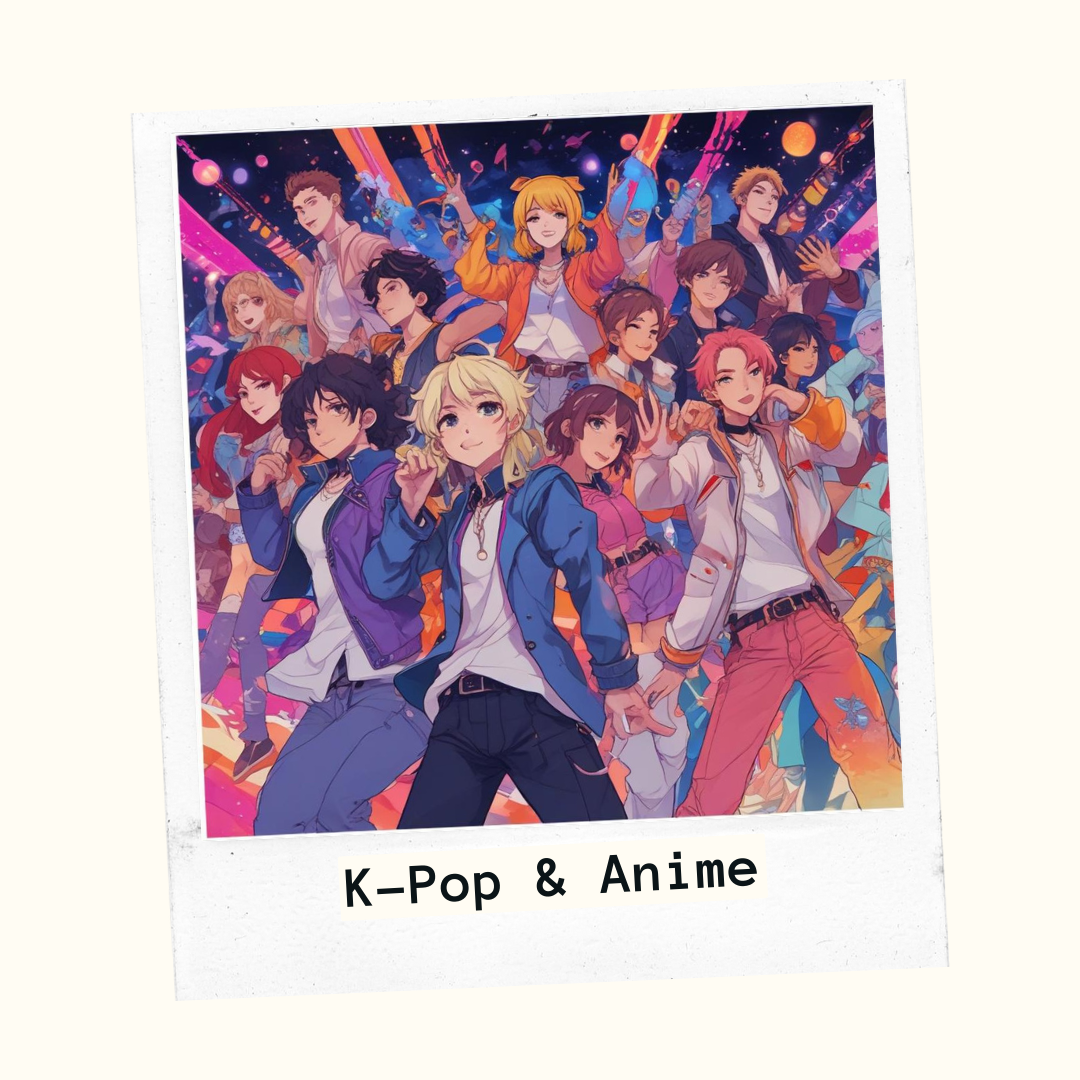
I. The Origins and Evolution of K-Pop and Anime
A. K-Pop’s Rise to Global Dominance
K-Pop's journey began in the early 1990s when Seo Taiji & Boys blended Western-style pop with Korean lyrics, revolutionizing the music scene. However, its roots can be traced even further back to traditional Korean folk music and early trot influences, which shaped the country's musical landscape. Since then, entertainment giants like SM, YG, JYP, and HYBE have meticulously crafted a global music empire by training idols for years before debuting them.
The genre saw a breakthrough with PSY's "Gangnam Style" (2012), a viral sensation that set the stage for groups like BTS, BLACKPINK, EXO, and TWICE to dominate international music charts. Unlike traditional pop, K-Pop thrives on synchronization, elaborate music videos, and strong storytelling, creating an immersive experience for fans worldwide.
B. Anime’s Growth from Niche to Mainstream
Anime's roots trace back to Osamu Tezuka’s "Astro Boy" (1963) and the rise of Studio Ghibli classics like Spirited Away and My Neighbor Totoro. Throughout the 1990s, anime like Dragon Ball Z, Sailor Moon, and Pokémon laid the foundation for its Western popularity. The digital era fueled anime’s global expansion, with streaming platforms like Netflix, Crunchyroll, and Funimation making subbed and dubbed anime accessible to a worldwide audience. Hits like Attack on Titan, Demon Slayer, and Jujutsu Kaisen have shattered box office records, solidifying anime's mainstream appeal.
II. Key Factors Behind Their Lasting Popularity
A. Government Support and Cultural Promotion
Both South Korea and Japan have actively invested in promoting their cultural industries as part of their soft power strategy.
South Korea’s government-backed Hallyu (Korean Wave) initiatives provide funding and support for K-Pop agencies, global concerts, and entertainment exports.
Japan’s Cool Japan campaign promotes anime, manga, and J-pop internationally through government partnerships and funding for anime studios.
B. Global Expansion Strategies
Unlike traditional Western music and animation industries, K-Pop and anime employ unique strategies to engage global audiences. K-Pop agencies focus on intensive idol training, multilingual content, and social media engagement, while anime producers leverage streaming services and international collaborations to expand their reach.
K-Pop artists release multilingual songs and hold international tours, engaging with fans through platforms like Weverse, V Live, and TikTok.
Anime streaming services provide subtitles and dubbing in multiple languages, increasing accessibility.
C. Unique Storytelling and Artistic Influence
K-Pop: K-Pop isn’t just about the music—it’s an entire experience. From compelling storylines in music videos to striking visuals and perfectly synchronized performances, every element is designed to captivate audiences and keep them engaged. (BTS’s Bangtan Universe storyline is a prime example). Music videos are often conceptual masterpieces, with high production values that integrate choreography, visual aesthetics, and intricate narratives.
Anime: Unlike Western cartoons, anime delves into deep, emotional, and philosophical themes, making it appealing to all age groups. Shows like Death Note, Your Name, and One Piece feature rich storytelling that explores complex concepts such as morality, love, and identity, appealing to both young and adult audiences.
D. Dedicated and Organized Fandoms
Both industries have fandoms that drive engagement, sales, and awareness:
- K-Pop fanbases (ARMY, BLINKS, EXO-Ls) actively promote their idols through streaming, voting, and social media campaigns.
- Anime communities create memes, cosplay, attend conventions, and fuel discussions on platforms like Reddit and Discord.
Fandoms for both industries are extremely dedicated, with fans organizing voting campaigns, creating fan art, and engaging with content in creative ways to show support.
E. Economic and Soft Power Influence
K-Pop contributes over $10 billion annually to South Korea’s economy, with BTS alone accounting for a significant portion of tourism and exports (Korean Foundation for International Cultural Exchange, 2022).
Anime contributes significantly to the global animation industry, with Japan producing a large share of animated content worldwide, generating billions through merchandising, films, and theme parks (Japan External Trade Organization, 2023).
III. Why K-Pop and Anime Are Here to Stay
A. Adaptability and Innovation
K-Pop artists continuously experiment with different genres (e.g., BLACKPINK's mix of EDM, hip-hop, and pop), pushing the boundaries of musical fusion and production.
Anime incorporates new animation techniques and CGI, expanding storytelling possibilities. Shows like Chainsaw Man and Demon Slayer showcase cutting-edge animation that blends traditional art styles with new technology, creating a unique viewing experience.
B. Expanding Cultural Influence
K-Pop and anime fashion trends are embraced by global celebrities and brands (e.g., Louis Vuitton, Adidas, and Dior collaborating with K-Pop idols). K-Pop idols often set global fashion trends, influencing everything from streetwear to haute couture, with brands eager to collaborate with them for campaigns.
Anime-inspired Hollywood adaptations (e.g., One Piece live-action series, Pokémon Detective Pikachu) bridge Eastern and Western entertainment. The rise of anime-themed merchandise and fashion lines further demonstrates how anime culture has transcended its origins to influence global fashion and pop culture.
C. Cross-Industry Collaborations
Anime soundtracks now feature K-Pop artists (e.g., BTS’s V on Your Eyes Tell), blending the worlds of K-Pop and anime music.
K-Pop groups incorporate anime aesthetics (e.g., aespa's futuristic KWANGYA concept is reminiscent of cyberpunk anime themes). These collaborations showcase how both industries are increasingly intertwined, appealing to fans of both music and animation.
D. The Role of Streaming and Social Media
Streaming platforms like YouTube, Spotify, Netflix, Crunchyroll, and TikTok have played a pivotal role in the global rise of both K-Pop and anime. The ability to stream music and anime content anywhere, anytime, has shattered geographical barriers and brought these cultural phenomena to audiences worldwide. Social media, in particular, has fueled fan engagement, enabling fans to share content, interact with artists and creators, and drive viral trends.