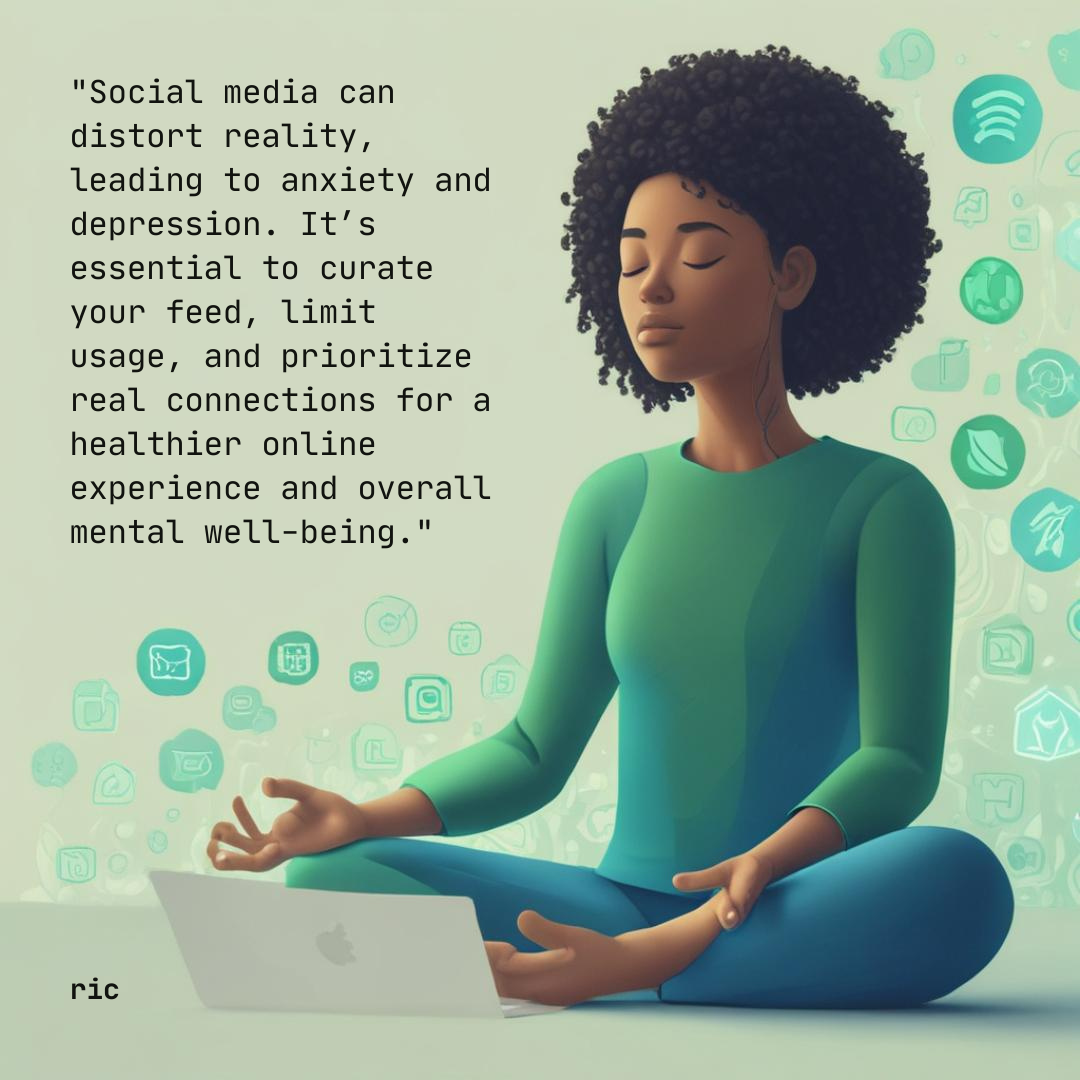
1. The Mental Health Risks of Social Media
While social media can be a positive tool, it also comes with risks that can quietly affect your mental health.
✅ Comparison Trap: Constant exposure to curated highlights of others' lives can lead to feelings of inadequacy and low self-esteem. Studies show that comparing yourself to idealized online personas can increase anxiety and depressive symptoms (Appel et al., 2016).
✅ Doomscrolling & Information Overload: Endless scrolling through negative news or distressing content can heighten stress levels and create a sense of helplessness (Bányai et al., 2017). This is particularly true during major global crises, where bad news spreads rapidly.
✅ FOMO (Fear of Missing Out): Seeing friends' adventures or social gatherings can foster a sense of exclusion and loneliness (Elhai et al., 2020). This can be particularly hard for young people who are still forming their social identities.
✅ Sleep Disruption: Excessive social media use, especially before bedtime, can interfere with sleep patterns, leading to insomnia and increased mental fatigue (Carter et al., 2016).
2. How Social Media Algorithms Affect Mental Health
Social media platforms use algorithms to keep users engaged. While these algorithms are designed to enhance user experience, they can also contribute to mental strain.
🔍 Echo Chambers: Algorithms often prioritize content that aligns with your existing beliefs, which can limit exposure to diverse perspectives and reinforce negative thought patterns (Pariser, 2011).
🔍 Addictive Design: Features like infinite scrolling and push notifications are intentionally designed to capture your attention and prolong screen time. This "attention economy" can lead to compulsive use and reduce face-to-face social interactions (Huang, 2022).
3. Recognizing the Warning Signs of Social Media Burnout
It's essential to recognize when social media is taking a toll on your mental health. Warning signs may include:
- Increased Anxiety: Feeling anxious or stressed after browsing social media.
- Mood Swings: Fluctuating emotions based on online interactions.
- Neglecting Offline Life: Prioritizing social media over real-life responsibilities and relationships.
- Obsessive Checking: Feeling compelled to check notifications constantly, even when it disrupts daily activities.
4. Practical Strategies to Stay Mentally Healthy Online
Maintaining a healthy relationship with social media doesn't mean quitting altogether. Here are effective strategies to protect your mental well-being:
🧘 Set Screen Time Limits: Use built-in features like "Screen Time" on iOS or "Digital Wellbeing" on Android to track and limit your social media usage.
🧘 Curate Your Feed: Follow accounts that uplift and inspire you. Unfollow or mute accounts that trigger stress, comparison, or negativity.
🧘 Schedule Social Media Breaks: Implement "digital detox" periods—such as unplugging during meals or before bedtime—to allow your mind to rest and reset.
🧘 Practice Mindful Consumption: Be intentional about your online habits. Before scrolling, ask yourself: "Is this adding value to my life?"
5. Cultivating a Positive Online Environment
You can actively shape your digital environment to be healthier and more positive.
🌟 Engage Authentically: Share genuine experiences rather than chasing validation through likes and comments.
🌟 Supportive Communities: Seek out online communities that prioritize mental health, personal growth, and support.
🌟 Be Kind Online: Combat negativity by practicing digital kindness—support others and avoid contributing to toxic discourse.
6. Seeking Help When Needed
If social media use is significantly impacting your mental health, consider seeking professional help. Therapists and mental health professionals can offer personalized coping strategies and support.
📞 Resources:
- National Alliance on Mental Illness (NAMI): 1-800-950-NAMI
- Crisis Text Line: Text HOME to 741741 (U.S. and Canada)