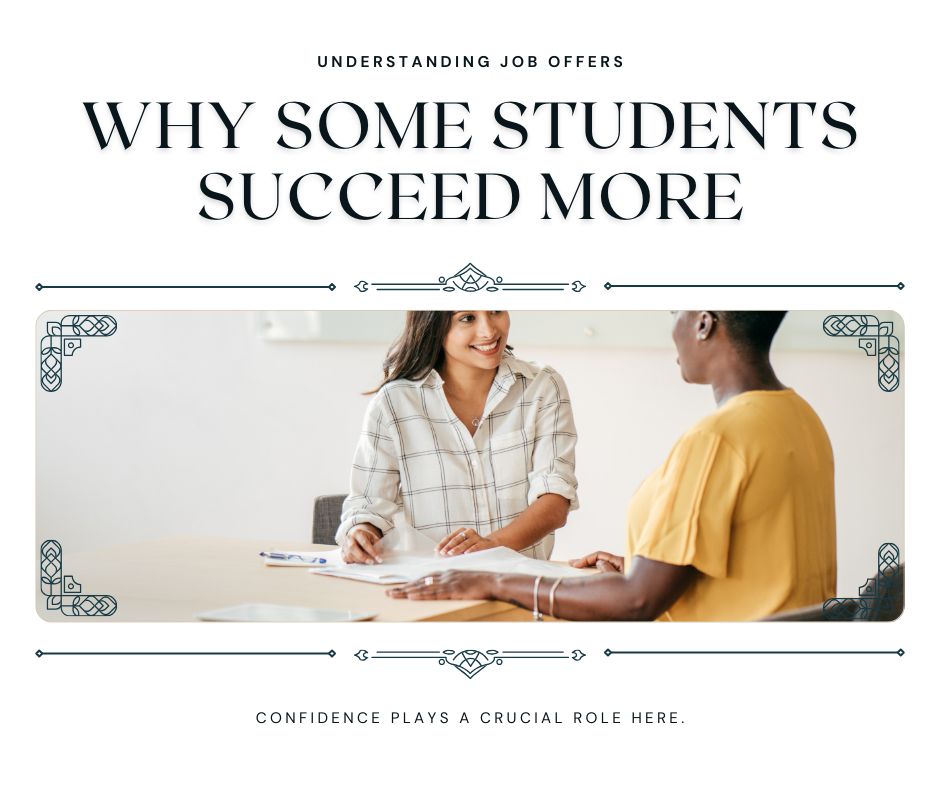
1. The Power of Confidence and Mindset
Confidence: It’s Not Just About Fake Smiles
We’ve all heard that “confidence is key,” but why does it matter so much? Well, employers tend to make decisions about candidates within minutes of meeting them, and a lot of that comes down to how confident you appear. Confident candidates are often perceived as more capable and trustworthy. They tend to handle pressure better and approach challenges with a positive attitude—traits employers value.
However, here’s the twist: confidence isn’t about acting like you have all the answers. It's about showing that you believe in your abilities while being open to learning and growing. A healthy level of self-awareness—understanding your strengths and weaknesses—is equally important. If you're humble about your skills but show a willingness to learn, you’ll come across as both competent and approachable.
Growth Mindset: Turning Challenges into Opportunities A growth mindset—the belief that you can improve through effort and learning—sets you apart in the workplace. Students with a growth mindset are typically more adaptable, resilient, and open to feedback, all qualities that employers seek in future leaders. This mindset not only helps in interviews but also fosters the type of attitude that can accelerate your career in the long term.
Quick Tip: To boost your confidence, practice interviews, and remember that every conversation is an opportunity to learn, even if it doesn't lead to an immediate job offer.
2. Emotional Intelligence: The Hidden Skill That Wins Jobs
What is Emotional Intelligence (EQ) and Why Should You Care?
Emotional intelligence (EQ) refers to the ability to recognize, understand, and manage your own emotions, and the emotions of others. While technical skills are important, employers increasingly look for candidates who can navigate social dynamics and maintain composure under pressure. Studies show that EQ can actually be a stronger predictor of success than IQ.
One of the key components of EQ is self-awareness. Being aware of how you come across in interviews and being able to regulate your emotions can give you a major edge. If you’re nervous, it’s normal, but being aware of your body language and reactions can help you project calm and control.
Quick Tip: To improve your EQ, practice active listening, manage stress through breathing exercises, and reflect on how your emotions impact your behavior in both professional and personal settings.
3. Interpersonal Skills and Cultural Fit: More Than Just “Getting Along”
The Importance of Cultural Fit
It’s not enough to have the right qualifications. Companies are looking for candidates who fit into their culture. Cultural fit is about aligning with a company’s values, communication style, and overall vibe. A student who is passionate about the company’s mission and shares its values is much more likely to stand out than someone who just has the right technical skills but lacks enthusiasm.
Interpersonal Skills: How You Relate to Others
Employers want to hire individuals who can collaborate, communicate effectively, and be part of a team. This goes beyond just “getting along” with coworkers—it’s about being proactive in solving problems, handling conflict, and contributing to a positive work environment.
Quick Tip: Prepare examples of how you’ve worked in teams or solved problems together with others. Show how you can build relationships, both with peers and supervisors, to create a positive impact.
4. Networking: Leveraging Relationships for Opportunities
Building Relationships That Go Beyond the Transaction
Networking isn’t just about collecting business cards or sending out connection requests on LinkedIn. It’s about building genuine relationships with people who can offer guidance, mentorship, or even opportunities. When you focus on building trust and providing value to others, those relationships will often lead to job referrals, advice, or job opportunities down the line.
Effective Networking in Action
Networking can sometimes feel awkward, but it’s really about connecting on a human level. Attend industry events, and don’t be afraid to reach out to alumni or professionals for informational interviews. The more authentic and engaged you are, the more likely people will be to help you in your job search.
Quick Tip: Start by offering value before asking for it. Share articles, introduce people in your network, and be genuinely interested in others’ careers.
5. Perception and Self-Presentation: Own Your Story
Personal Branding: How You Show Up Matters
Personal branding goes beyond what you put on your resume—it’s how you present yourself across all platforms, including your social media presence. A strong personal brand is a reflection of your professional skills, passions, and character. When you align your online and offline presence, you make a stronger impact.
Body Language: The Unspoken Truth
Your body language during interviews speaks volumes. How you carry yourself can convey confidence, enthusiasm, and openness—or the opposite. Employers are attuned to these cues, and the way you walk into a room, shake hands, or even sit can influence how you’re perceived.
Quick Tip: Practice good posture, firm but friendly handshakes, and maintaining eye contact to project confidence and professionalism.
6. Resilience and Adaptability: Bouncing Back Stronger
Resilience: Not Just About Bouncing Back, But Growing
Rejection is a part of the process. But candidates who are resilient don’t just bounce back—they learn and grow from setbacks. Resilience is about seeing rejection as an opportunity to reflect, improve, and continue pushing forward. Employers want to see candidates who don’t give up after the first (or fifth) rejection.
Adaptability: Thriving in Change
The modern workplace is constantly evolving. Employers need candidates who can adapt quickly to new technologies, roles, and challenges. Showing that you’re comfortable with change, and can navigate uncertainty with ease, will make you a highly desirable candidate.
Quick Tip: Cultivate resilience by staying focused on your long-term goals and viewing challenges as stepping stones rather than obstacles.
7. Enthusiasm and Passion: Let Your Drive Shine
Why Passion is Contagious
Passion is magnetic. Employers love candidates who are genuinely excited about their work, the company, and the role. When you show authentic enthusiasm, it creates a positive energy that makes you stand out from other candidates. Passionate candidates are more likely to go the extra mile and make a lasting impact.
Quick Tip: Let your passion shine through by researching the company and role thoroughly. Be specific about why you’re excited about contributing to the company’s mission and how your values align with theirs.