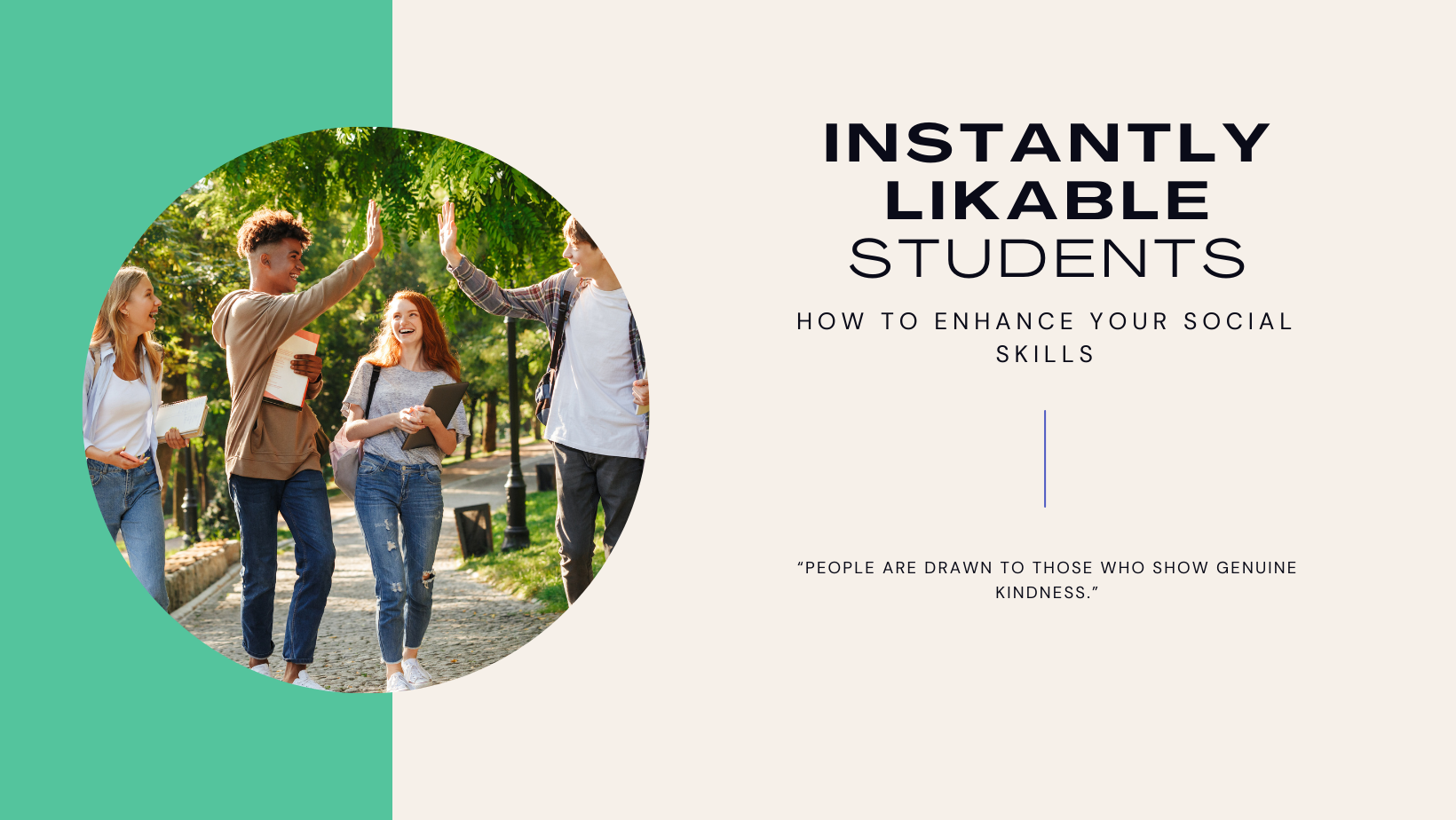
1. The Psychology of Likability
First Impressions Matter
You’ve probably heard the phrase, “You never get a second chance to make a first impression.” It’s true, and research backs it up. Psychologists Alexander Todorov and Janine Willis found that people make judgments about others based on their appearance and behavior within milliseconds of meeting them (Willis & Todorov, 2006). Whether it's the way you smile, your posture, or the way you greet someone, it all contributes to how people perceive you at first glance.
Tip: Make sure you’re presenting yourself in a positive light. A warm smile, good posture, and a firm handshake go a long way.
The Role of Body Language
You might not realize it, but a lot of the signals you send out to others are non-verbal. Studies show that people who appear open—smiling, making eye contact, and standing or sitting with an open posture—are far more approachable and likable (Burgoon, Guerrero, & Floyd, 2016). In fact, body language can account for over 90% of the way others perceive us.
Tip: Keep your arms uncrossed, make eye contact, and lean in slightly when listening. These simple actions can signal warmth and openness.
Emotional Intelligence (EQ)
Emotional intelligence is one of the strongest predictors of likability. People with high EQ can read the room, understand others' emotions, and react appropriately. These students are not just great at academics—they excel socially too. They’re the ones who make others feel comfortable and heard, even in challenging or awkward situations (Goleman, 1995).
Tip: Practice empathy by actively listening to others, acknowledging their feelings, and responding thoughtfully.
2. Why Some Students Are More Likable (Key Traits)
Genuine Interest in Others
Likable students take a sincere interest in others. They ask meaningful questions and show genuine curiosity about people's lives, hobbies, and opinions. Instead of dominating the conversation, they listen—actively and attentively.
Tip: In your conversations, ask questions like “What’s something you're really passionate about?” or “What’s the most interesting thing that happened to you this week?” These questions invite people to open up.
Positive Attitude
A positive attitude is contagious. Likable students bring a lightness to the room with their optimism. Rather than dwelling on the negative, they focus on finding solutions, celebrating small wins, and encouraging others.
Tip: Even when faced with challenges, try to frame them in a positive light. Focus on the silver lining and the lessons learned.
Confidence Without Arrogance
There’s a fine line between confidence and arrogance. Likable students are confident but humble. They are secure in who they are but never boastful. They allow their actions and achievements to speak for themselves.
Tip: Instead of highlighting your accomplishments in every conversation, focus on sharing experiences and what you’ve learned from them.
Humor and Approachability
Humor is one of the most powerful social tools. It breaks the ice, reduces tension, and makes you more approachable. Likable students know how to use humor to make others feel comfortable and entertained, without crossing boundaries.
Tip: Don’t be afraid to laugh at yourself occasionally. Self-deprecating humor can make you more relatable and endearing.
Consistency and Authenticity
Consistency in your actions, words, and emotions helps build trust and likability. Authenticity is the core of likability—people are drawn to those who are true to themselves, not those who try to be someone they’re not.
Tip: Don’t try to be someone you're not to fit in. Embrace your quirks and unique qualities—they’re part of what makes you likable.
3. How to Develop Likability (Practical Tips)
Active Listening Skills
One of the easiest and most effective ways to become more likable is to be a better listener. Active listening means giving your full attention to the speaker, asking follow-up questions, and showing empathy. People appreciate when they feel heard.
Tip: Practice active listening by putting away distractions (like your phone) during conversations and making eye contact.
Improve Your Body Language
A lot of likability comes from how you carry yourself. To come across as approachable, practice standing tall, smiling, and maintaining an open posture. Avoid negative body language like crossing your arms or slouching, which can make you seem distant.
Tip: Before entering a social situation, take a few deep breaths and remind yourself to stand tall, relax your shoulders, and smile.
Show Empathy and Compassion
Empathy is the ability to understand and share the feelings of others. Likable people excel at empathizing with others, which creates an emotional connection. They don’t just listen—they make others feel understood.
Tip: When someone shares a problem or struggle with you, respond by acknowledging their feelings. Saying something like, “That sounds really tough. I can imagine how frustrating that must be,” shows that you care.
Build Confidence Through Small Wins
Confidence is a skill that can be built over time. Instead of waiting for the “big moment,” start by celebrating small victories—like speaking up in a class or approaching someone you don’t know. These little steps will gradually boost your confidence.
Tip: Start small and work your way up. Confidence grows with each positive interaction.
Engage in Positive Conversations
Keep conversations light and optimistic. When others are around you, they should feel uplifted and inspired. Instead of venting about problems, try focusing on solutions and what excites you.
Tip: Keep a mental list of positive topics you can bring up in conversation, such as interesting books, events on campus, or inspiring personal experiences.
4. Likability in Social Situations
Group Projects and Networking
Likability is crucial when working in groups. Likable students make great team players—they communicate openly, share ideas, and contribute to a harmonious atmosphere. In networking situations, likable students are more likely to create lasting connections.
Tip: Focus on building rapport with teammates and colleagues by being respectful, collaborative, and offering your help whenever possible.
Building Friendships and Connections
Likable people are often the ones who attract friends and mentors naturally. They make others feel valued and appreciated. Building genuine connections with your peers, professors, and even industry professionals can benefit you throughout college and beyond.
Tip: Make an effort to remember people’s names, details about their lives, and follow up with them. Simple gestures like this show you care.