Why Peer Mentorship Matters
Building Confidence and Sense of Belonging
One of the most significant challenges for first-generation students is the feeling of isolation. Many are the first in their families to attend college, and the higher education system can seem like an unfamiliar and daunting place. Peer mentorship programs help bridge this gap by pairing students with mentors who share similar backgrounds. These mentors offer valuable advice, guidance, and emotional support, which helps students build confidence and a strong sense of belonging within the university community.
Providing Practical and Emotional Support
Mentors can provide first-generation students with insight into the academic process, campus resources, and navigating social dynamics. Whether it’s understanding how to register for courses, accessing tutoring services, or finding study groups, mentors offer practical advice that can make a huge difference in a student's academic success. Additionally, the emotional support a mentor provides can help first-generation students cope with stress, imposter syndrome, and the pressures of university life.
Nurturing Personal and Professional Networks
Peer mentorship programs also serve as a platform for developing networks that are crucial for both personal and professional growth. First-generation students often lack the connections that many of their peers have access to through family or previous experiences. Through their mentors, students can be introduced to valuable resources, campus organizations, and even potential career opportunities. These networks can help students not only survive but thrive in university life.
Top Universities Offering Peer Mentorship Programs for First-Generation Students
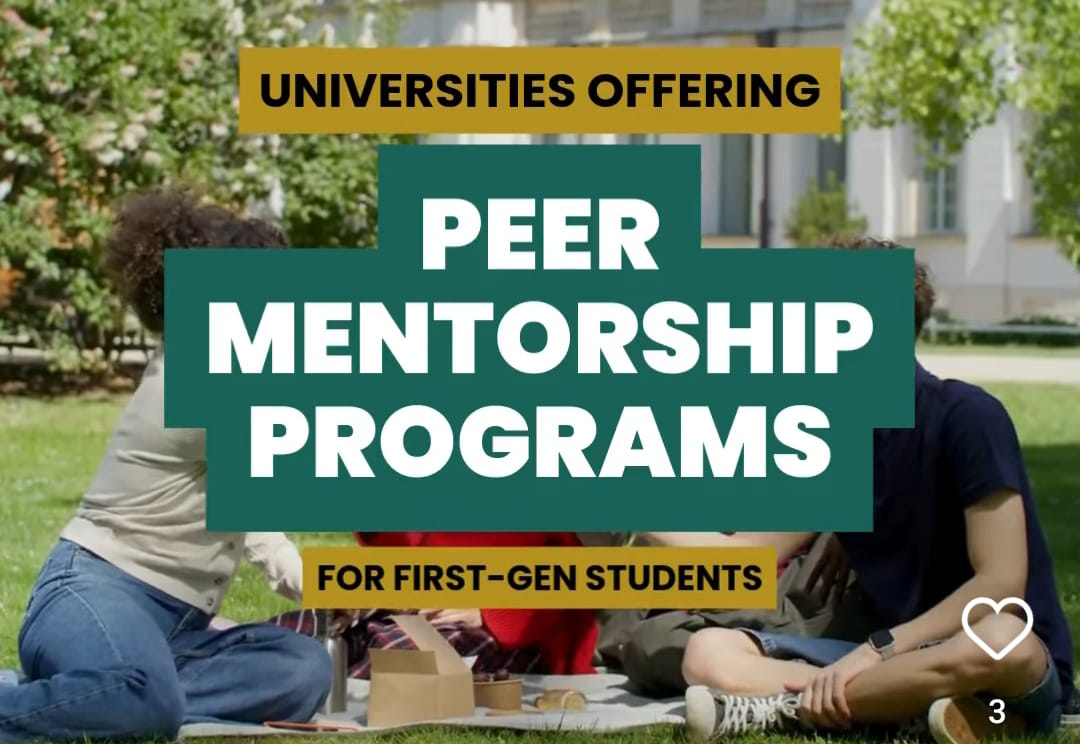
Numerous universities across the country have developed effective peer mentorship programs aimed at supporting first-generation students. These programs provide students with the tools they need to succeed both academically and personally. Below are some universities known for their comprehensive peer mentorship initiatives:
- University of Washington: The First-Generation Initiative at the University of Washington pairs incoming first-generation students with upperclassmen mentors to help them navigate university life.
- University of California, Los Angeles (UCLA): UCLA’s First-Generation Mentorship Program connects students with peers who share similar backgrounds and experiences, ensuring a supportive and understanding environment.
- Pennsylvania State University: Penn State offers the First-Generation Student Mentoring Program, where mentors provide guidance on academics, campus resources, and adjusting to college life.
- University of California, Berkeley (UC Berkeley): UC Berkeley’s First-Generation Program focuses on creating community among first-gen students through mentorship and organized events.
- Indiana University Bloomington: Indiana University’s First-Generation Student Support Program pairs students with mentors who help them explore career paths, academic strategies, and the college experience.
- University of Michigan: The Wolverine Pathways program at the University of Michigan connects first-generation students with mentors, helping them build academic skills, confidence, and professional networks.
- University of Florida: The University of Florida offers mentorship opportunities that provide first-generation students with academic and personal support through dedicated peer mentors.
- University of Texas at Austin: UT Austin’s First-Generation Mentorship Program matches students with mentors who provide guidance on campus resources, academic success, and navigating the social environment.
- Texas A&M University: Texas A&M’s Aggie First Scholars program offers peer mentorship for first-generation students to help them succeed academically and socially in the university setting.
- University of Southern California (USC): USC’s First-Generation Experience Program pairs students with mentors who offer support in adjusting to college life, building academic skills, and exploring career paths.
- Purdue University: Purdue’s First-Generation Student Success Program focuses on providing mentorship, workshops, and peer-to-peer support for first-generation students.
- University of Arizona: The University of Arizona’s First-Generation Student Support Program connects students with mentors who provide academic and emotional support throughout their college journey.
- University of North Carolina at Chapel Hill: UNC’s First-Generation Mentorship Program offers one-on-one mentoring to help students navigate the academic challenges and social aspects of university life.
How Peer Mentorship Programs Improve College Experiences
Reducing Dropout Rates
Research has shown that first-generation students are more likely to drop out of college compared to their peers. One of the reasons for this is the lack of support systems that many students from non-college-educated families face. Peer mentorship programs provide the necessary support, helping students feel less isolated and more confident in their ability to succeed. As a result, these programs have been linked to lower dropout rates and higher graduation rates.
Enhancing Academic Success
Peer mentorship helps first-generation students access academic resources such as tutoring, study groups, and advising. Mentors who have already navigated the academic challenges of university life can share study strategies and time management tips, which help students achieve academic success. Additionally, mentors offer valuable insights into managing course loads, preparing for exams, and utilizing university resources effectively.
Fostering Leadership Skills
Peer mentorship programs don’t only benefit mentees. Mentors also gain leadership skills, enhance their communication abilities, and develop a greater understanding of the challenges faced by first-generation students. These skills are highly valued by employers and can help mentors in their personal and professional development.