1. Start with Your Professors
Your professors are more than just teachers—they are industry experts who can provide guidance, advice, and even career opportunities. Take time to engage with them outside of class. Ask insightful questions, attend office hours, and show a genuine interest in their work. By cultivating these relationships, you might find opportunities for research assistant positions, internships, or even recommendations for graduate programs or jobs after graduation. Professors often have vast professional networks of their own, and a simple connection could open doors for you.
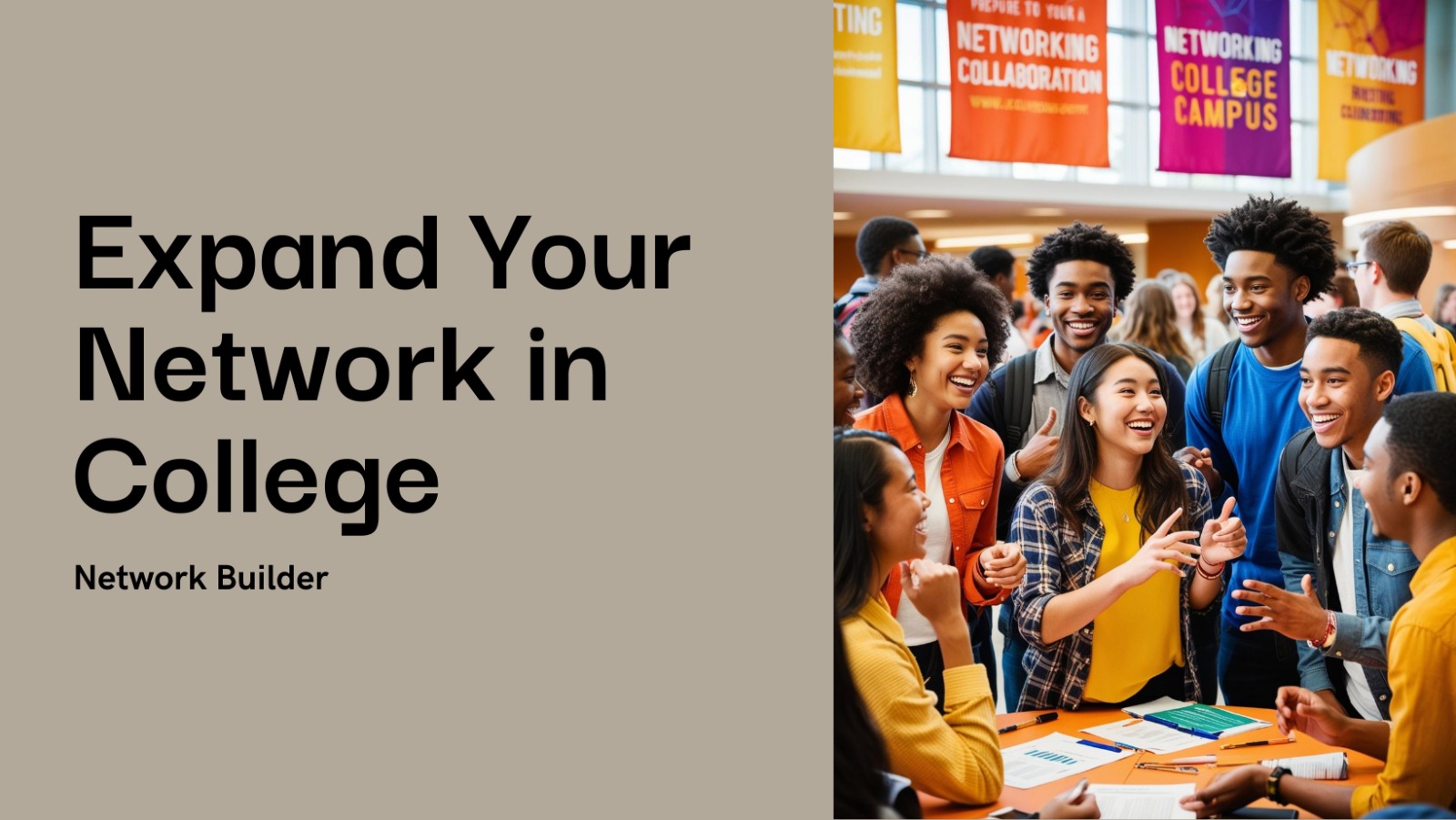
2. Attend Career Fairs and Networking Events
Most colleges offer career fairs and networking events, which are perfect for meeting potential employers and professionals in your field. Don’t just attend; make the most out of these opportunities. Come prepared with a polished resume, a strong elevator pitch, and a few questions ready. These events are ideal for learning more about specific industries, internships, and job prospects. At Ric Writing Services, we recommend practicing your networking approach beforehand, so you can make a lasting impression on recruiters and professionals.
3. Join Clubs and Professional Organizations
Many colleges offer student-run clubs and professional organizations related to your field of interest. Whether it’s a business club, tech group, or creative writing society, these clubs offer a wealth of networking opportunities. They often host guest speakers, workshops, and industry panels that will give you direct access to professionals who are already established in the industry. By participating in these organizations, you’ll gain valuable experience and make connections with people who share your passions and career goals.
4. Utilize LinkedIn and Social Media
Social media platforms like LinkedIn are powerful networking tools, even for college students. Ensure your LinkedIn profile is up-to-date, professional, and reflective of your academic achievements, extracurricular activities, and career goals. Follow professionals, organizations, and thought leaders in your field to stay updated on trends, job openings, and industry discussions. Engage with posts by commenting thoughtfully or sharing relevant content. LinkedIn is a fantastic platform to build your virtual network and stay connected with people you meet in person at events.
5. Leverage Alumni Networks
Your college alumni network is a hidden gem when it comes to networking. Many alumni are willing to help current students by offering advice, guidance, and even job opportunities. Reach out to your college’s alumni office to learn about mentorship programs or networking events specifically designed for students and alumni. Don’t hesitate to send a polite message to alumni working in your field. You may be surprised at how willing they are to help you succeed. Establishing a relationship with alumni can provide valuable insights into navigating your chosen industry.
6. Develop Soft Skills
Networking isn’t just about handing out business cards or collecting contacts—it’s about building meaningful relationships. Developing strong soft skills, such as communication, empathy, and active listening, can make you a more effective networker. People remember those who make them feel heard and valued. Practicing these skills in both social and academic settings can help you build a reputation as someone who is easy to collaborate with and genuinely interested in others’ work.
7. Seek Internships and Work Experience
Internships and part-time jobs are excellent ways to gain hands-on experience and grow your professional network simultaneously. Internships provide you with direct exposure to the workplace and can introduce you to colleagues, mentors, and industry professionals. These experiences not only give you real-world skills but also increase your chances of landing a full-time job after graduation. Be proactive in seeking internships that align with your career goals and start building those professional connections early on.
8. Attend Industry Conferences and Workshops
Attending industry-specific conferences and workshops is a great way to meet professionals in your field. Many conferences offer student discounts or special access for university students, making it more affordable to attend. These events are often packed with opportunities to network with thought leaders, industry insiders, and potential employers. Take full advantage of these occasions to introduce yourself, ask questions, and exchange contact information.