1. Smart Grocery Shopping
- Buy in Bulk: Purchase staple items like rice, pasta, and canned goods in bulk to save money.
- Opt for Store Brands: These are often just as good as name brands but at a fraction of the cost.
- Meal Prep: Plan and prepare meals in advance to avoid unnecessary spending on takeout.
2. Budget-Friendly Meals
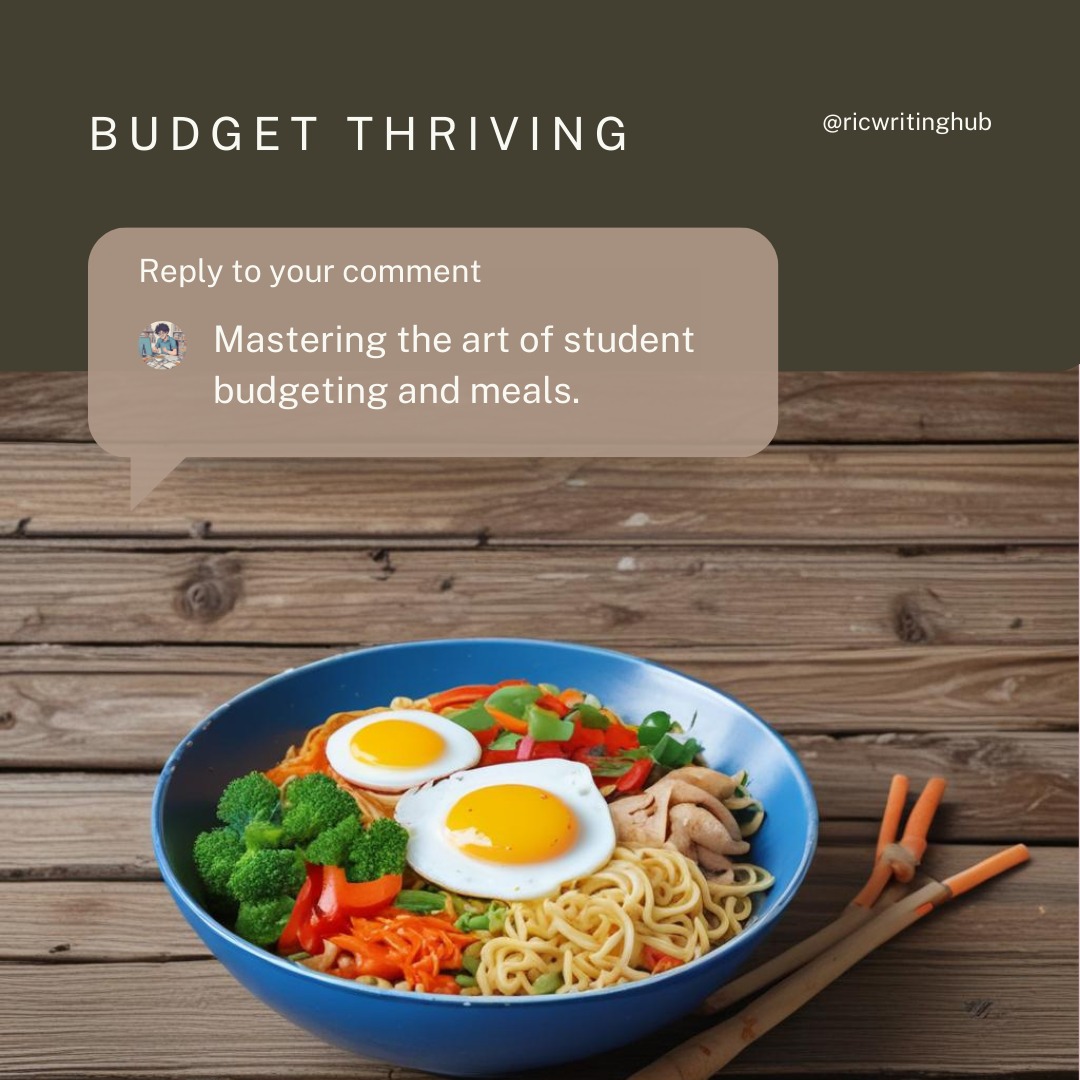
- Ramen Upgrades: Add eggs, vegetables, or meat to instant noodles to make them more nutritious.
- Easy & Cheap Recipes: Learn to cook basic meals like stir-fries, sandwiches, and homemade soups.
- Use Student Discounts: Many grocery stores offer discounts for students, so take advantage of them.
3. Maximizing Student Discounts
- Transport Savings: Use student ID cards for discounted public transportation passes.
- Entertainment Deals: Take advantage of student discounts on movie tickets, streaming services, and local events.
- Software & Subscriptions: Many companies offer student rates on software like Adobe, Microsoft Office, and Amazon Prime.
4. Side Hustles for Extra Cash
- Freelancing: Websites like Fiverr and Upwork allow students to offer services like writing, design, or tutoring.
- Campus Jobs: Work at the library, cafeteria, or student center for a flexible schedule.
- Selling Unused Items: Sell old textbooks, clothes, or electronics online.
5. Saving on Textbooks
- Rent or Buy Second-Hand: Websites like Chegg, Amazon, and campus bookstores offer used or rental textbooks at lower prices.
- Digital Resources: Many textbooks have free online versions or summaries.
- Library Access: Check if your college library has copies of required books.
6. Avoiding Debt & Managing Expenses
- Budgeting Apps: Apps like Mint and YNAB help track expenses and savings.
- Avoid Credit Card Debt: Only use credit cards for emergencies and pay off balances in full.
- Apply for Scholarships: Look for financial aid opportunities to reduce tuition costs.