1. Reduce, Reuse, and Recycle ♻️
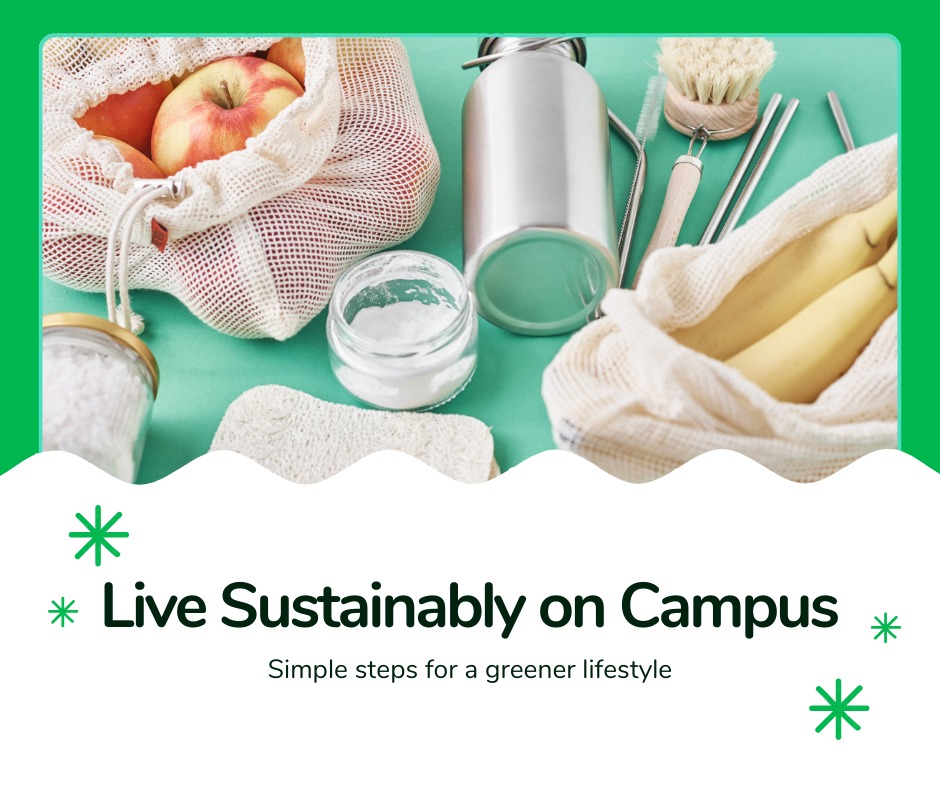
Recycling is important, but reducing and reusing are even better. Before buying something new, ask yourself if you truly need it. Opt for reusable water bottles, coffee cups, and shopping bags to cut down on single-use plastics. Many campuses provide recycling stations—take advantage of them to properly dispose of paper, glass, and plastics. Check if your university has a recycling program and follow their guidelines to ensure you're recycling effectively.
Pro Tip:
Some universities have "swap shops" or freecycle groups where students can donate and pick up second-hand items for free! This helps keep items out of landfills while saving money.
2. Opt for Sustainable Transportation 🚲
Instead of driving to class, consider walking, biking, or using public transportation. Many universities offer discounted or free bus passes for students. If biking isn't an option, carpooling with friends can cut down on emissions and gas costs. Some campuses even have electric scooter or bike-share programs that make sustainable transportation convenient and affordable.
Why It Matters:
According to the EPA, transportation is one of the largest contributors to greenhouse gas emissions. Switching to eco-friendly commuting options can significantly reduce your carbon footprint.
3. Conserve Energy in Your Dorm 🌍💡
Your dorm room may be small, but it still consumes energy! Unplug chargers and electronics when not in use, switch to LED bulbs, and turn off lights when you leave the room. Many campuses now offer energy-efficient appliances in dorms—take advantage of them whenever possible.
Easy Ways to Save Energy:
- Use a power strip to easily turn off multiple devices at once.
- Set your computer to "energy-saving mode."
- Wash clothes in cold water and air-dry when possible.
4. Make Smarter Food Choices 🥗
Eating sustainably doesn’t mean giving up your favorite foods. Try to buy local and seasonal produce, choose plant-based meals more often, and avoid excessive food waste. Many campuses have farmer’s markets or dining hall initiatives that prioritize locally sourced ingredients.
Food Waste Facts:
Americans waste about 40% of their food. Being mindful of portion sizes and storing leftovers properly can help reduce waste. If your campus has a composting program, participate by disposing of food scraps responsibly.
5. Use Eco-Friendly School Supplies ✏️📚
Instead of constantly buying new notebooks and pens, opt for digital note-taking apps like OneNote or Notion. If you prefer paper, choose recycled notebooks and refillable pens. Buying used textbooks or renting them is another great way to cut costs and reduce environmental impact.
Pro Tip:
Some brands now make biodegradable pens and notebooks—perfect for eco-conscious students!
6. Get Involved in Sustainability Groups 🌎
Many campuses have student-led environmental clubs that organize sustainability initiatives, clean-up events, and educational workshops. Getting involved is a great way to meet like-minded students while making a positive impact.
Ideas for Campus Involvement:
- Join or start a sustainability club.
- Participate in tree-planting events.
- Advocate for campus-wide green policies, such as banning plastic straws or implementing composting programs.