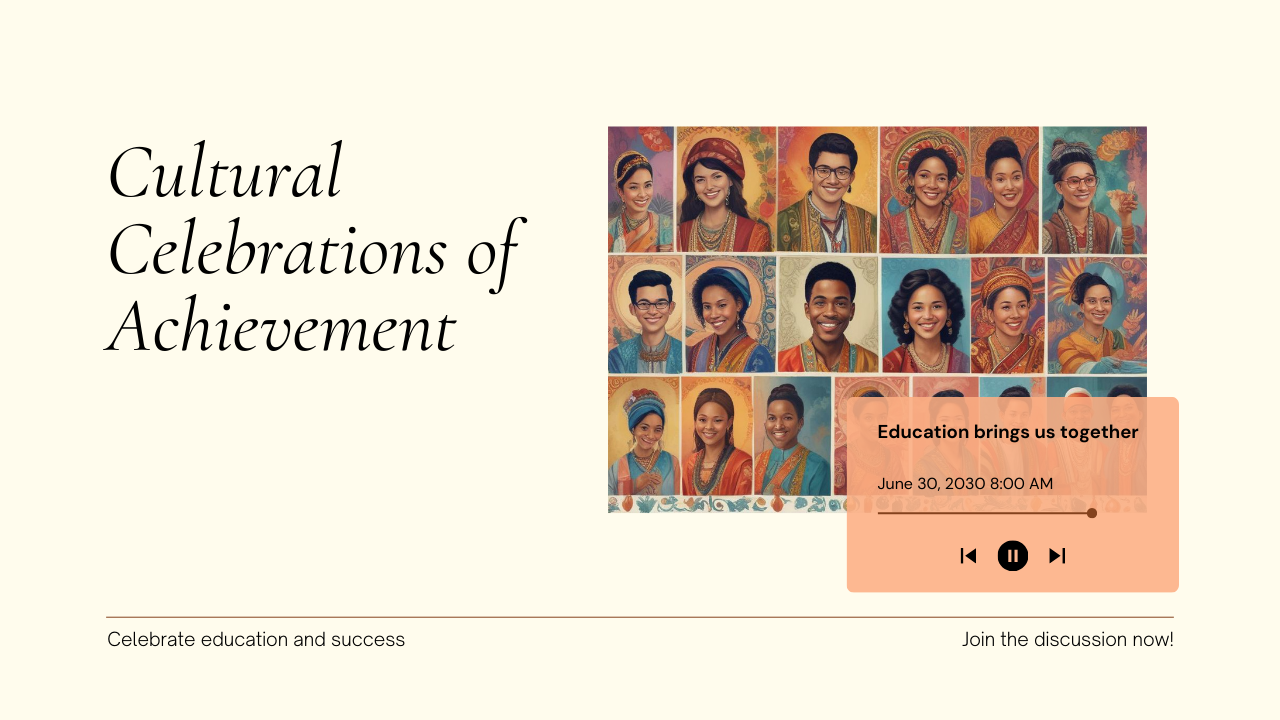
The Cultural Significance of Education and Success
Education holds a revered place in nearly every culture, but its significance differs based on societal values and traditions:
- Family & Community Expectations: In many cultures, academic success is a collective achievement rather than an individual one. Families, extended relatives, and even entire villages often take part in celebrating a graduate’s accomplishments.
- Spiritual & Religious Connections: Some societies incorporate religious rituals or blessings into their celebrations, believing education to be a divine pursuit.
- Economic & Social Mobility: For many communities, education represents the key to upward mobility, financial stability, and breaking cycles of poverty.
- Symbolism & Tradition: Many cultures use unique symbols, attire, or customs to mark academic milestones, signifying maturity, responsibility, or new beginnings.
Unique Ways Different Cultures Celebrate Educational Achievements
🌍 African Traditions
Kenya – Feasts, Dance, and Traditional Attire
Graduations in Kenya are vibrant affairs often celebrated with large family gatherings. It is common for graduates to don traditional attire, such as the Maasai shuka, as a way of honoring their heritage. Some families organize celebratory dances, while others offer gifts, including livestock, which symbolize prosperity.
Nigeria – Freedom Parties for Graduates
In Nigeria, graduation ceremonies extend beyond school-organized events. Many students hold "freedom parties" to celebrate their transition into adulthood and professional life. Families also shower graduates with gifts, including monetary contributions and symbolic tokens of success.
🏯 Asian Traditions
Japan – Seijin Shiki (Coming-of-Age Day)
In Japan, students who turn 20 participate in Seijin Shiki, a coming-of-age ceremony that marks their legal adulthood. While not solely focused on education, it symbolizes a student’s journey into responsibility, often following years of academic dedication.
India – Religious Blessings and Grand Celebrations
In India, students often seek blessings from elders and religious leaders before and after major exams. Temples hold ceremonies for successful students, and some families host large gatherings to mark achievements in board exams or university graduations.
🎓 European Traditions
Germany – Abiturfeier (High School Graduation Celebration)
Graduating from high school in Germany, known as the Abitur, is a prestigious event celebrated with formal balls, parties, and sometimes even elaborate pranks orchestrated by students.
Norway – Russfeiring (Graduate Celebration with Overalls & Parades)
In Norway, high school graduates celebrate Russfeiring, a tradition involving wearing red or blue overalls, partying, and engaging in playful challenges. These celebrations sometimes last for weeks, culminating in final exams and graduation.
🇺🇸 North & South American Traditions
USA – Caps, Gowns, and Emotional Ceremonies
American graduations are well-known for their cap-and-gown traditions, inspirational speeches, and diploma handouts. Family and friends often gather for post-ceremony parties, with gift-giving and special dinners marking the occasion.
Mexico – Mariachi & Family Banquets
In Mexico, graduations are lively, featuring mariachi bands, grand family feasts, and cultural festivities. It is common for students to have personalized ceremonies at home, where family members express their pride and appreciation.
🕌 Middle Eastern Traditions
Saudi Arabia – Lavish Gatherings & Traditional Gifts
Education is highly valued in Saudi Arabia, and graduation ceremonies often include large gatherings with extended family. Traditional gifts, such as gold or money, are presented to graduates as a token of future success.
Iran – University Entrance Exam Celebrations
In Iran, passing the highly competitive university entrance exam is a significant milestone. Families celebrate with special meals and prayers, acknowledging the hard work and determination required for success.
Modern Influences on Traditional Celebrations
While cultural traditions remain strong, globalization and digital advancements have introduced new ways to celebrate academic achievements:
- Virtual Graduations: In response to global events like the COVID-19 pandemic, online graduation ceremonies have become more common. For instance, universities in the United States and the United Kingdom have hosted virtual commencements, allowing students to participate from anywhere in the world.
- Social Media Influence: Students now share their successes through live-streams, TikTok dances, and viral posts, adding a modern twist to traditional celebrations. In South Korea, some students create YouTube vlogs documenting their graduation day, blending personal storytelling with digital engagement.
- Hybrid Celebrations: Many families blend cultural customs with contemporary elements, such as combining traditional blessings with Western-style parties. In India, for example, families may perform a religious ceremony at home before hosting a modern banquet with DJs and photo booths.
- Technology-Integrated Traditions: In China, some schools have incorporated hologram displays and LED light shows into their graduation ceremonies, merging technological advancements with time-honored traditions.
- Global Influence on Attire: Western-style caps and gowns are now worn in many countries that traditionally had different graduation attire, showcasing the merging of cultural and modern elements. While cultural traditions remain strong, globalization and digital advancements have introduced new ways to celebrate academic achievements:
- Virtual Graduations: In response to global events like the COVID-19 pandemic, online graduation ceremonies have become more common.
- Social Media Influence: Students now share their successes through live-streams, TikTok dances, and viral posts, adding a modern twist to traditional celebrations.
- Hybrid Celebrations: Many families blend cultural customs with contemporary elements, such as combining traditional blessings with Western-style parties.
Lessons from Global Education Celebrations
By looking at these diverse celebrations, we gain insight into the values and priorities different societies place on education. Cultural perspectives on education not only shape how achievements are celebrated but also influence educational policies and learning methodologies. For instance, in Finland, a strong emphasis on collaborative learning and minimal standardized testing is reflected in a culture that values education as a lifelong journey rather than just a series of milestones. Meanwhile, in countries like South Korea, the rigorous academic environment is mirrored in grand graduation celebrations that emphasize perseverance and family support. Examining how different cultures celebrate education teaches us valuable lessons:
- Education is a Collective Achievement – Many traditions emphasize the role of family and community in academic success.
- Cultural Pride is Essential – Whether through attire, music, or rituals, education celebrations often highlight cultural heritage.
- Recognizing Hard Work is Universal – Across the globe, success in education is marked with enthusiasm, regardless of economic or social differences. By looking at these diverse celebrations, we gain insight into the values and priorities different societies place on education. Examining how different cultures celebrate education teaches us valuable lessons:
- Education is a Collective Achievement – Many traditions emphasize the role of family and community in academic success.
- Cultural Pride is Essential – Whether through attire, music, or rituals, education celebrations often highlight cultural heritage.
- Recognizing Hard Work is Universal – Across the globe, success in education is marked with enthusiasm, regardless of economic or social differences.