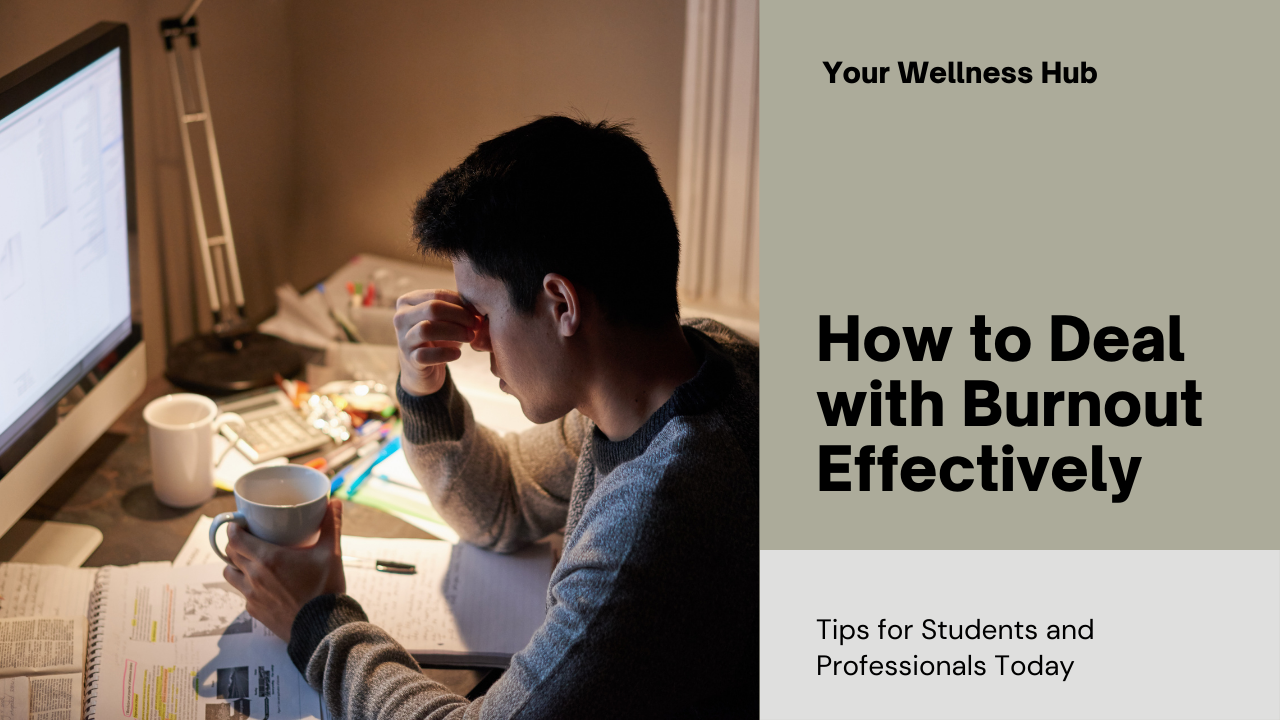
1. Recognizing Burnout: The Warning Signs ⚠️
Burnout doesn’t happen overnight—it builds up over time. Here are some key signs to watch for:
✅ Physical exhaustion: Constant fatigue, headaches, or difficulty sleeping. ✅ Emotional detachment: Feeling indifferent or unmotivated about work or studies. ✅ Decreased performance: Struggling to focus, procrastinating, or making frequent mistakes. ✅ Increased irritability: Getting frustrated easily with colleagues, classmates, or even small tasks. ✅ Loss of interest: Finding little to no enjoyment in activities that once excited you.
Understanding these symptoms early can help you take proactive steps before burnout fully sets in.
2. Practical Strategies to Prevent Burnout 🏋️♂️
Burnout prevention starts with building healthy habits. Here’s what you can do:
Prioritize Work-Life Balance
- Set boundaries—avoid working or studying beyond a set schedule.
- Take regular breaks (Pomodoro technique: 25-minute work sessions, 5-minute breaks).
- Schedule time for hobbies and relaxation to recharge your mind.
Manage Stress Effectively
- Exercise regularly: Physical activity releases endorphins, reducing stress and boosting energy.
- Practice mindfulness: Meditation, deep breathing, or yoga can help manage stress levels.
- Stay social: Connecting with friends and family provides emotional support and helps reduce feelings of isolation.
Improve Time Management
- Use productivity tools like Trello, Notion, or Google Calendar to organize tasks.
- Break large tasks into smaller, manageable steps to reduce overwhelm.
- Learn to say “no” when your plate is already full.
3. Recovering from Burnout: Steps to Rebuild Energy 🔄
If you’re already experiencing burnout, here’s how to recover:
✅ Acknowledge the issue: Accept that you need a break and allow yourself to reset. ✅ Take time off: A short break or vacation can help reset your mindset and reduce stress. ✅ Reevaluate your commitments: Identify and reduce unnecessary stressors in your life. ✅ Seek professional help: Therapists, counselors, or career advisors can offer guidance.
For students, talk to professors about adjusting deadlines if you’re overwhelmed. Professionals can discuss workload concerns with managers to find better work arrangements.
4. The Role of Nutrition and Sleep in Burnout Recovery 🍎💤
Your lifestyle plays a huge role in burnout prevention and recovery:
📌 Prioritize sleep: Aim for 7-9 hours of quality rest each night. 📌 Eat balanced meals: A diet rich in protein, healthy fats, and complex carbs supports brain function. 📌 Stay hydrated: Dehydration can increase fatigue and reduce concentration levels. 📌 Reduce caffeine and sugar: These provide temporary energy but lead to crashes.
Making small improvements in these areas can significantly boost your energy and focus.
5. When to Seek Professional Help 🆘
If burnout is severely affecting your daily life, it might be time to seek help. Signs that professional intervention is needed include:
🚨 Persistent anxiety or depression that doesn’t improve with lifestyle changes. 🚨 Chronic fatigue despite getting enough rest. 🚨 Physical symptoms like frequent headaches, stomach issues, or chest pain. 🚨 Feeling hopeless or losing interest in everything, even outside of work or school.
Therapists, counselors, and even workplace support programs can provide tools to help you manage burnout effectively.